
Media & Publications

The Case for an International Court of Civil Justice
When multinational corporations cause mass harms to lives, livelihoods, and the environment in developing countries, it is nearly impossible for victims to find a court that can and will issue an enforceable judgment. In this work, Professor Maya Steinitz presents a detailed rationale for the creation of an International Court of Civil Justice (ICCJ) to hear such transnational mass tort cases.

Zombie Litigation: Claim Aggregation, Litigant Autonomy and Funders' Intermeddling
The main debate surrounding litigation funding in recent years has focused on the question of disclosure of funding agreements. While the issue is important, predominantly because of its effects on the course and outcome of individual cases, far more important are bigger, interrelated questions which have systemic effects on the civil justice system, the legal profession, and the nature of the rise of portfolio funding- which I here propose to view as a new form of undisclosed and unregulated claim aggregation- has broader-still effects including clients' potential, and at times actual, loss of autonomy over their cases as their lawyers become originators, brokers and/or managers of 'litigation assets.'

Report of the National Expert for the United States in Mapping Third Party Litigation Funding In The European Union
Commercial third-party litigation funding (“TPLF”) is not centrally regulated in the United States. It is subject to the overlapping jurisdiction of state and federal courts, state and federal legislatures, regulatory agencies, and bar associations. Legislation, regulation, and oversight of TPLF is being undertaken at each of those levels – much of it centered around the questions of when and whether TPLF should be disclosed; how to mitigate conflicts of interest created by TPLF (including the potential for claimants to lose control over their case to funders); and the identification of any foreign individuals, entities, or countries that may be providing the funding. At least 12 state legislatures and the U.S. Congress have passed or considered TPLF legislation. Many federal and state courts have issued standing orders regarding litigation finance. In TPLF cases, courts have used their inherent powers to investigate potential abuse of process and to determine whether those appearing before the court are the real parties in interest.

Financial Times on Chinese-funded lawsuit Challenges
The Financial Times (FT), a top global business publication, recently published a major piece examining the future of the multi-billion dollar litigation funding industry. The article focused on the challenges and criticisms facing the sector, including regulatory scrutiny and the complexities of capital management, especially as it relates to foreign investment in U.S. and international disputes.

Third Party Funding of Investment Arbitration
This Essay discusses Third-Party Funding in Investment Arbitration.
It describes the rise of third-party funding of investment arbitration; the debate over the definition of litigation/arbitration finance; the forms arbitration finance takes; the normative debate in favor and against third-party funding of investment arbitration; the effects of arbitration funding on the arbitral process; developments in national, international, and soft law governing investment arbitration funding; and the likely effects of third-party funding on the international bar.
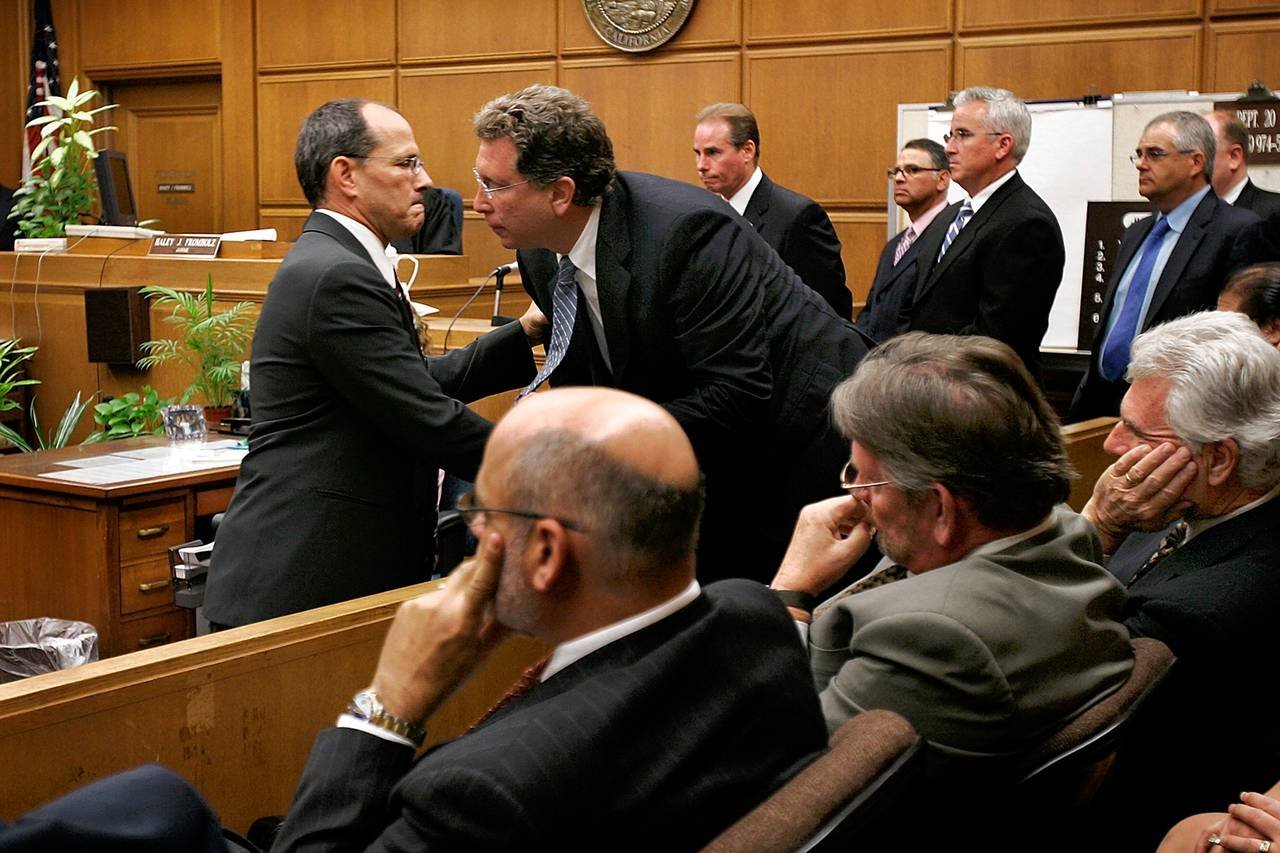
WSJ: Litigation Financing Attracts New Set of Investors
The article, 'Litigation Financing Attracts New Set of Investors,' examined how hedge funds and other institutional investors are increasingly funding lawsuits in exchange for a portion of the recovery, a trend that is rapidly transforming the civil justice system.
As a leading expert in the field, Maya Steinitz was featured for her commentary on the ethical and regulatory challenges posed by the industry's growth.

Transnational Legal Process Theories
This Chapter of The Oxford Handbook of International Adjudication is devoted to transnational legal process theories. The main thrust of the Chapter is that the field of transnational legal process theories has proceeded without the benefit of conceptual clarity regarding the key underlying concept: the concept of a/the ‘legal process’ and that a myriad of partly-overlapping concepts — such as international adjudication, supranational adjudication, and transnational litigation — are used interchangeably, willy-nilly.

Whose claim is this anyway? third-party litigation funding
Imagine that a woman wants to bring a claim for sexual harassment against her powerful and wealthy former employer but can neither afford counsel nor find an attorney willing to take the case on contingency. A private funder provides the necessary financing for her to pursue her claim.
Further suppose that the employer in question is a former governor, now the sitting President of the United States, and that the investor is a wealthy supporter of the President's political opposition, and that the case starts a chain reaction that could have brought an end to the President's term in office.

Contingent Fees and Third Party Funding in Investment Arbitration Disputes
In this Special Mini-Edition of the Transnational Dispute Management Journal, co-editors Prof. Maya Steinitz and Joe Matthews have collected, edited and TDM now publishes original works by four authors who advance the critical analysis of issues raised by the increased presence of contingent fees and third party funding in connection with international investment disputes. TDM is also pleased to re-publish with permission an article authored by Prof. Steinitz in the Minnesota Law Review in January of this year entitled "Whose Claim is This Anyway? Third Party Litigation Funding."

The Impact of Sovereign Wealth Funds on the Regulation of Foreign Direct Investment in Strategic Industries: A Comparative View
Investments by sovereign wealth funds ('SWFs') - pools of capital accumulated by and under the control of sovereign states, mostly from the Persian Gulf and East Asia - in European and North American companies have changed dramatically both in scope and in nature in the last few years. This article examines the screening mechanisms in place, recently changed, or currently under consideration by the United States, France and India. While by no means an exhaustive or even representative survey, this sample highlights how different jurisdictions apply varying degrees of scrutiny to FDI in an age of increased sovereign-directed investments.